
LITTLES
Kids have big emotions and are still learning how to understand and manage them. While childhood can be fun, it can also be confusing, overwhelming, and difficult. Sometimes adults forget that. Today's world moves fast, and children are growing up surrounded by screens, social pressures, constant information, and increasing uncertainty. As a result, many kids struggle with anxiety, depression, low self-esteem, and emotional overwhelm.
Therapy gives children a safe place to learn important life skills and better understand themselves. It can help with identifying emotions, managing frustration, communicating effectively, building confidence, developing healthy coping skills, taking accountability, and forming a strong sense of self. Having a trusted adult outside of the family system can make a meaningful difference in a child's life.
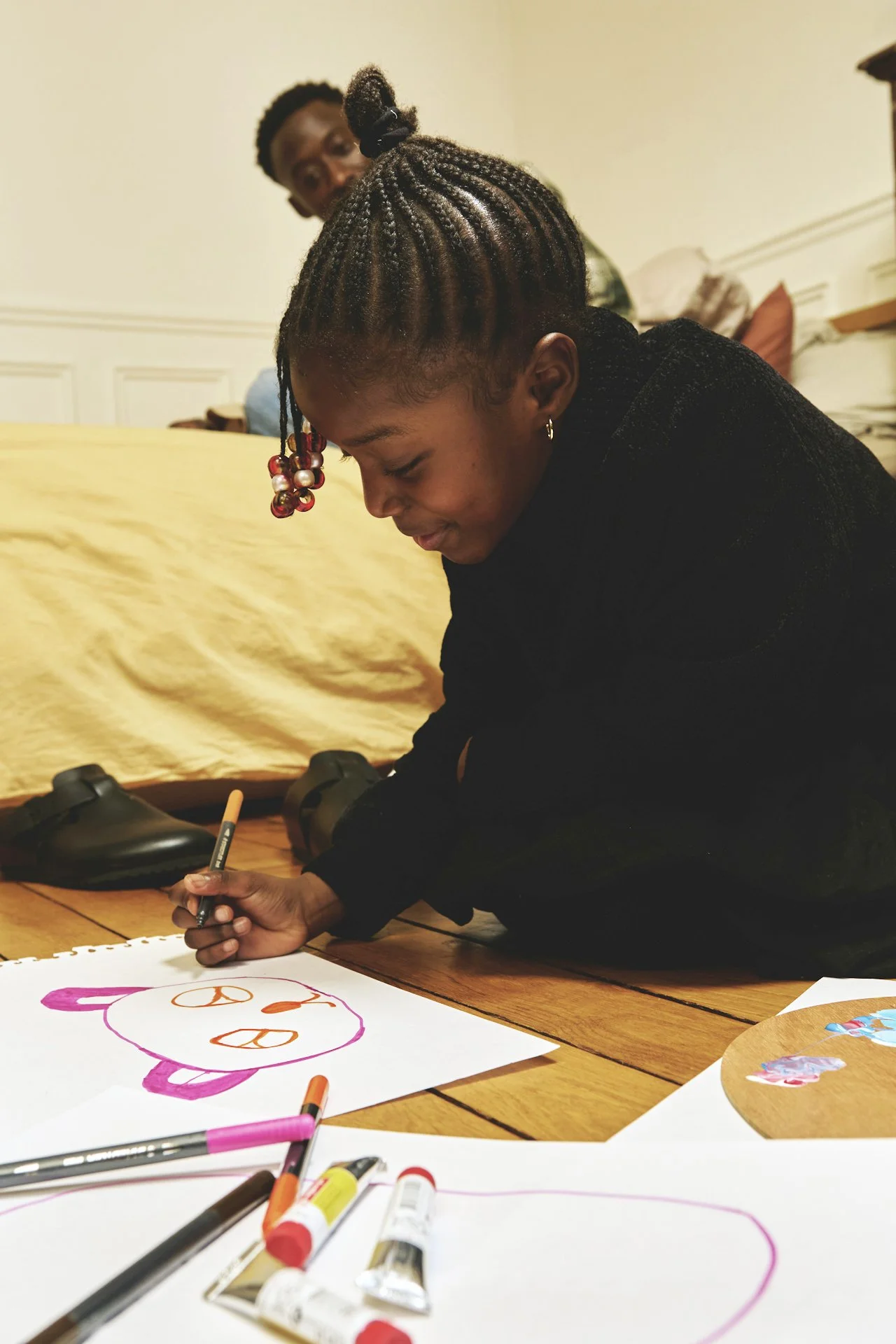
In therapy, I provide a supportive space where your child can navigate the challenges and pain points of growing up. Children often communicate through behavior, play, art, and creativity before they have the words to explain their feelings. Using play, art, storytelling, and conversation, I help children express emotions, build coping skills, strengthen self-awareness, and feel more confident and understood.
Parents and caregivers are an important part of the therapeutic process. Depending on your family's needs, this may include parent check-ins, joining sessions, or brief updates along the way.
You know your child better than anyone. I may only see them for 50 minutes each week, so your support and involvement matter. When the skills we practice in therapy are reinforced at home, children are more likely to build confidence, create lasting change, and carry those skills into their everyday lives.
(AGES 3-5) TODDLERS & PRESCHOOLERS
Focuses on sensory stimulation and early emotional expression. At this age, the art-making process is heavily play-based and often requires parental involvement.
(AGES 6-11) SCHOOL-AGE CHILDREN
Helps children develop emotional regulation, process behavioral challenges, and communicate feelings without complex verbal exchanges.